
The Allure of Gambling: What Draws Us In
The world of gambling is often painted with excitement, lights, and sounds. For many individuals, the allure of casinos stems from the thrill of uncertainty and the potential for significant rewards, especially when they find the best online casino in australia that offers enticing games and bonuses. This excitement can trigger a release of dopamine in the brain, which creates feelings of pleasure and anticipation. The psychological mechanisms at play are complex, but at their core, they often revolve around the prospect of winning and the use of risk as a lure that keeps players returning for more. The anticipation of a potential win can be intoxicating, creating an emotional high that is hard to resist.
The atmosphere in a casino is engineered to heighten this sense of allure. From the moment a player walks in, they are enveloped by stimulating lights and sounds designed to captivate their attention. This sensory overload can lead to a feeling of detachment from reality, allowing individuals to lose track of time and decision-making processes. The design of gaming machines and tables further enhances this perception, creating an environment where rational thinking can easily give way to a more impulsive nature. For instance, the absence of clocks and windows creates an illusion of endless time, encouraging players to stay longer and gamble more.
Social dynamics also play a crucial role in the appeal of gambling. Many people find joy and companionship in shared experiences, like celebrating a win at a table game or strategizing with friends over a poker hand. This communal atmosphere fosters a sense of belonging and encourages risk-taking, as players often feel emboldened by the presence of others. The combination of personal excitement and social interaction creates a unique and often intoxicating experience, making it difficult for some to resist the call of the casino floor. The laughter, cheers, and camaraderie contribute to a thrilling environment that enhances the overall gambling experience.
Understanding Risk: The Psychology of Decision-Making
The psychology of gambling in casinos is intricately tied to the concept of risk and reward. Many gamblers operate on a level of cognitive bias where they focus on potential gains while dismissing the likelihood of loss. This skewed perception can create a false sense of confidence, leading players to make decisions that are more emotionally driven than logically sound. Gamblers may rationalize losses by recalling past winnings, which can skew their understanding of probability and risk. This inclination to remember wins more vividly than losses creates a cycle that can be difficult to break.
Additionally, the phenomenon of loss aversion plays a significant role in gambling behavior. Research shows that the pain of losing is often more intense than the joy of winning. This can lead to chasing losses, where individuals continue to gamble with the hope of recovering what they lost. This cycle of behavior can be hard to break, as players become trapped in a mindset that encourages further risk-taking even in the face of repeated failure. Understanding this psychological trap is crucial for developing healthy gambling habits, as recognizing the patterns can help individuals avoid damaging behaviors.

Casinos often capitalize on this cognitive bias to keep players engaged. For instance, games may be designed to lead players into a rhythm of frequent, small wins that can create a false sense of success. This reinforces the misguided belief that they are on the verge of a big win, encouraging them to continue gambling. By strategically placing these small rewards, casinos effectively manipulate players’ decision-making processes, leading them to risk more than they typically would under rational conditions. This psychological manipulation is a powerful tool that enhances the allure of gambling and can lead to unsustainable behaviors.
The Role of Emotions in Gambling Behavior
Emotions significantly influence gambling behavior, shaping how individuals engage with chances and risks. Many gamblers turn to casinos not just for the thrill of the game but to escape from stressors or emotional difficulties in their lives. In such moments, the bright lights and engaging gameplay of a casino provide a temporary reprieve from reality, creating an emotional high. However, this escape can also lead to poor decision-making, as individuals may be less likely to consider the long-term consequences of their actions when consumed by heightened emotions. The casino environment can exacerbate these feelings, leading to impulsive decisions.
The cyclical relationship between emotions and gambling becomes particularly evident in moments of both winning and losing. Winning can elicit a rush of euphoria that leads players to take on greater risks, while losses can trigger feelings of frustration and disappointment, prompting gamblers to return to “even the score.” This susceptibility to emotional triggers makes it challenging for individuals to recognize when their gambling is becoming problematic, as they may convince themselves that they can win back losses or replicate a winning streak. The emotional rollercoaster associated with gambling can cloud judgment and lead to irrational choices.
Moreover, awareness of the emotional landscape can empower individuals to cultivate a healthier relationship with gambling. By identifying emotional triggers and understanding how they influence decision-making, gamblers can develop strategies to manage their impulses. Recognizing that gambling can be a way to cope with negative emotions can motivate individuals to seek alternative, healthier outlets for stress relief and emotional expression, ultimately leading to more balanced choices in their gambling experiences. This self-awareness is key to maintaining control and preventing destructive behaviors.
The Impact of Environment and Social Influences
The environment of a casino is meticulously crafted to enhance the gambling experience, employing various psychological techniques that cater to human behavior. Casinos often utilize elements such as bright colors, loud sounds, and enticing visuals to create an environment that encourages prolonged visits. This design can act as a stimulus for excitement and make it easy for players to lose track of time, creating an immersive experience that fosters ongoing gambling behavior. The strategic placement of gaming machines and tables also encourages players to engage more, blurring the lines between entertainment and compulsion.
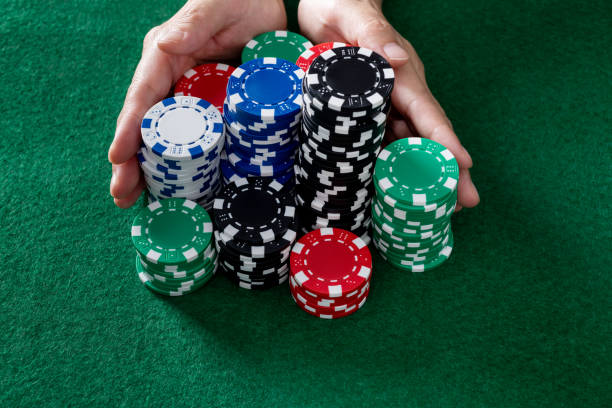
Additionally, social influences within the casino play a significant role in shaping gambling patterns. Observing other players, especially those who are winning, can encourage individuals to take more risks, leading to impulsive decisions that they may not consider in isolation. Peer pressure or a desire to fit in can also play into this dynamic, prompting players to engage in gambling activities that they may otherwise avoid. This social aspect can heighten the emotional experience, making it easier to justify decisions made in the heat of the moment. The shared excitement or disappointment of players can amplify individual emotions, further impacting behavior.
Understanding the impact of environment and social influences can help individuals navigate their gambling experiences more responsibly. By being aware of these external factors, gamblers can take active steps to control their environment and social circles, ensuring that their decision-making processes remain grounded in reality. Recognizing when a particular setting or group dynamic may be fostering risky behavior can empower individuals to make more informed choices and protect themselves from potential pitfalls associated with gambling. Awareness of one’s surroundings can serve as a critical tool in fostering responsible gambling habits.
Exploring Responsible Gambling Practices
It’s crucial for individuals to educate themselves about responsible gambling practices, especially considering the psychological influences that can lead to problematic behavior. Setting clear limits on time and money spent gambling can help mitigate the risks associated with impulsive decision-making. By establishing boundaries in advance, gamblers can enjoy the experience while maintaining control over their habits. This proactive approach is vital in fostering a healthy relationship with gambling, ensuring that individuals can walk away when they need to and avoid falling into the trap of excessive gambling.
Additionally, understanding the mental triggers that prompt gambling behavior is essential for individuals looking to gamble responsibly. Keeping a reflective attitude and being honest about one’s emotional state before entering a casino can provide valuable insights into whether they are gambling for enjoyment or as a means of escape. Seeking alternative activities or diversions when feeling stressed or overwhelmed can help individuals avoid falling into the trap of using gambling as a coping mechanism. Developing a toolkit of strategies to deal with stress can enhance self-control and reduce reliance on gambling.
Ultimately, being informed about the psychological aspects of gambling allows individuals to make better choices and create a more balanced lifestyle. There are also many resources available for those who may find themselves struggling with gambling-related issues. Support groups, counseling services, and educational programs can provide valuable insights and guidance, promoting responsible gambling practices that prioritize personal well-being over the thrill of the game. By actively seeking help and understanding the risks, individuals can cultivate a healthier relationship with gambling and enjoy it as a form of entertainment rather than a source of stress.

